02 · Research
Evolution of cratonic basins
past
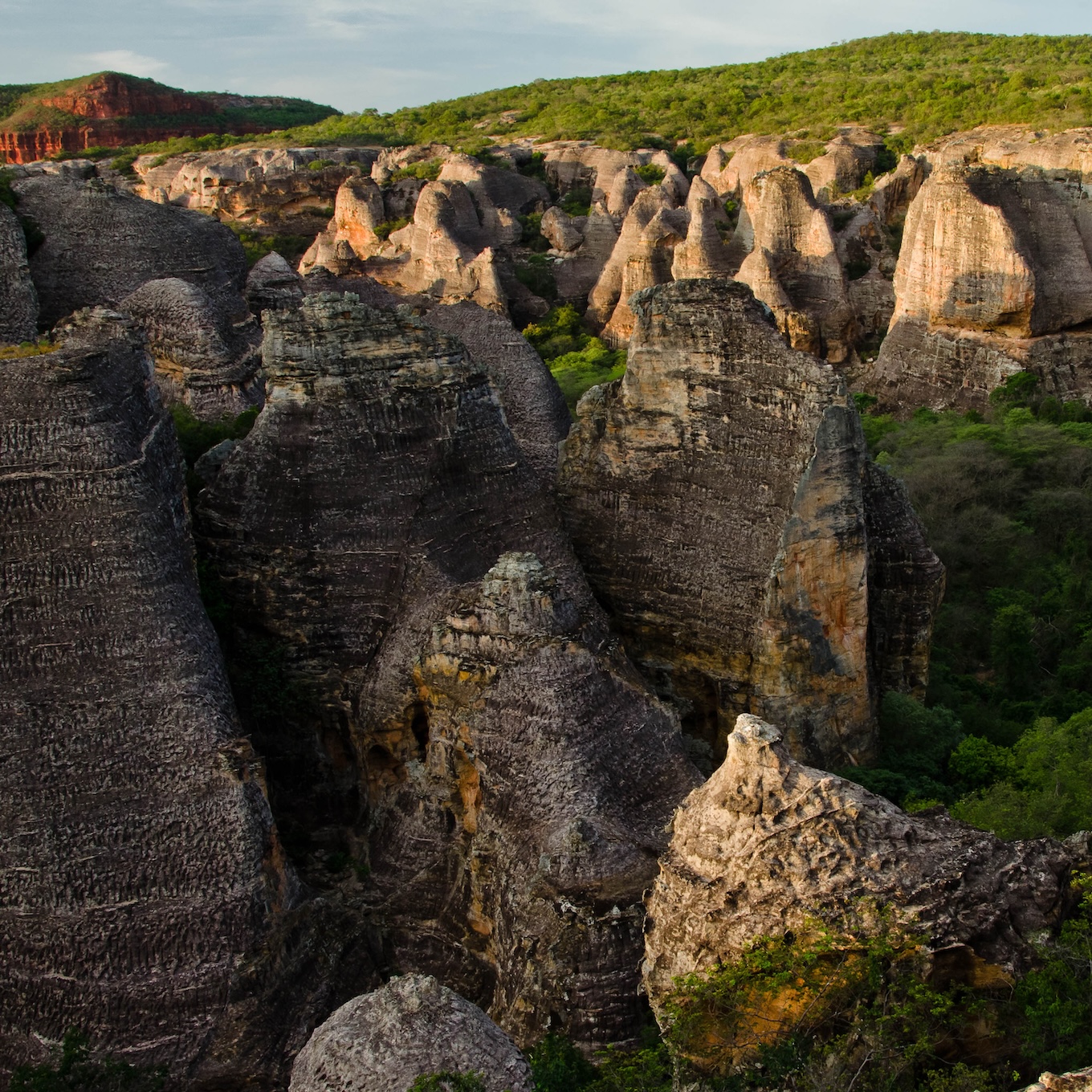
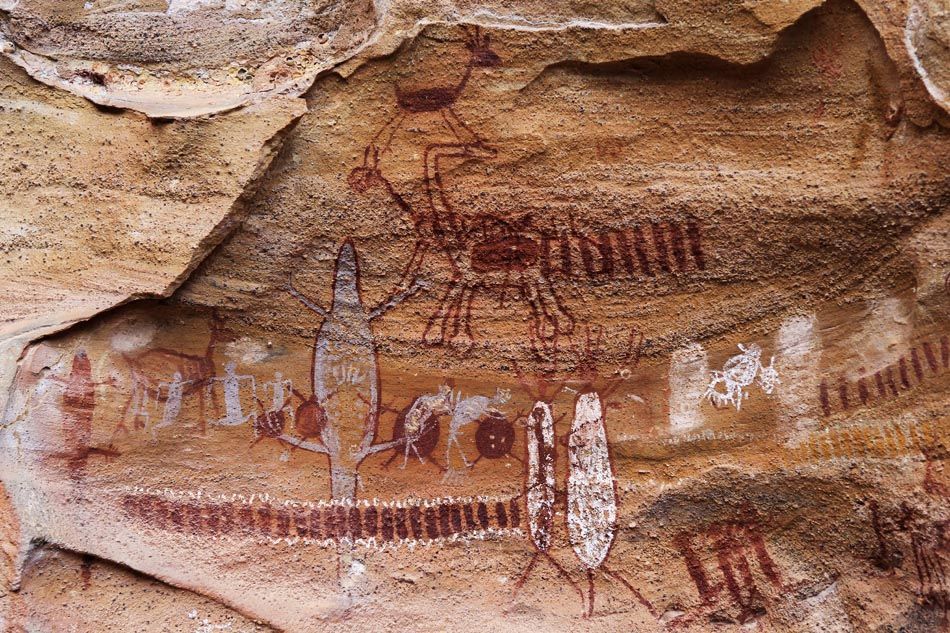
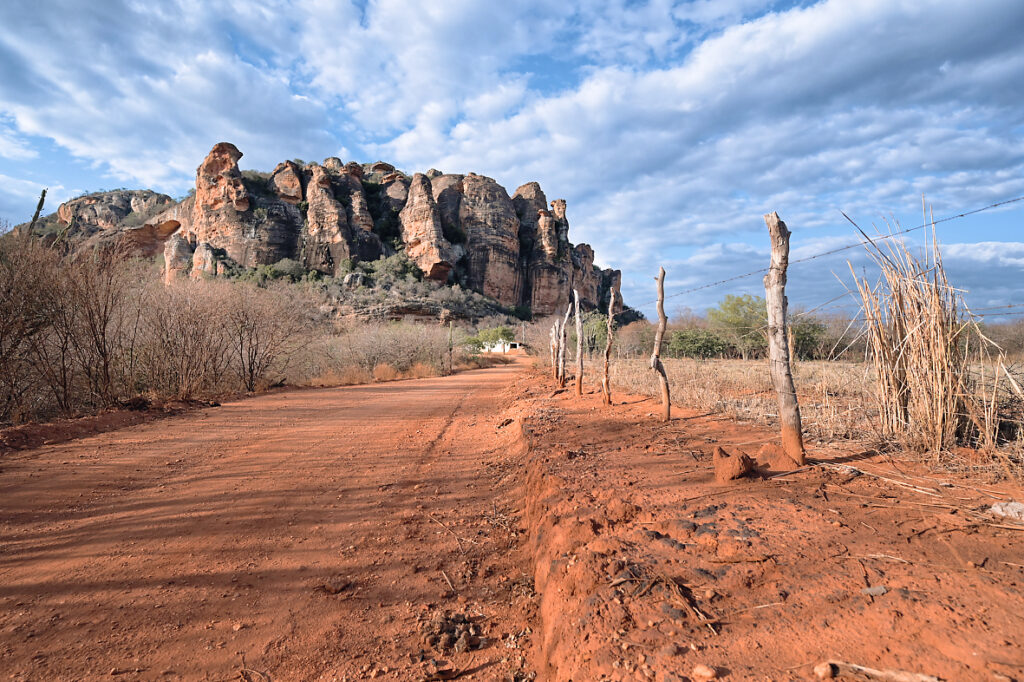
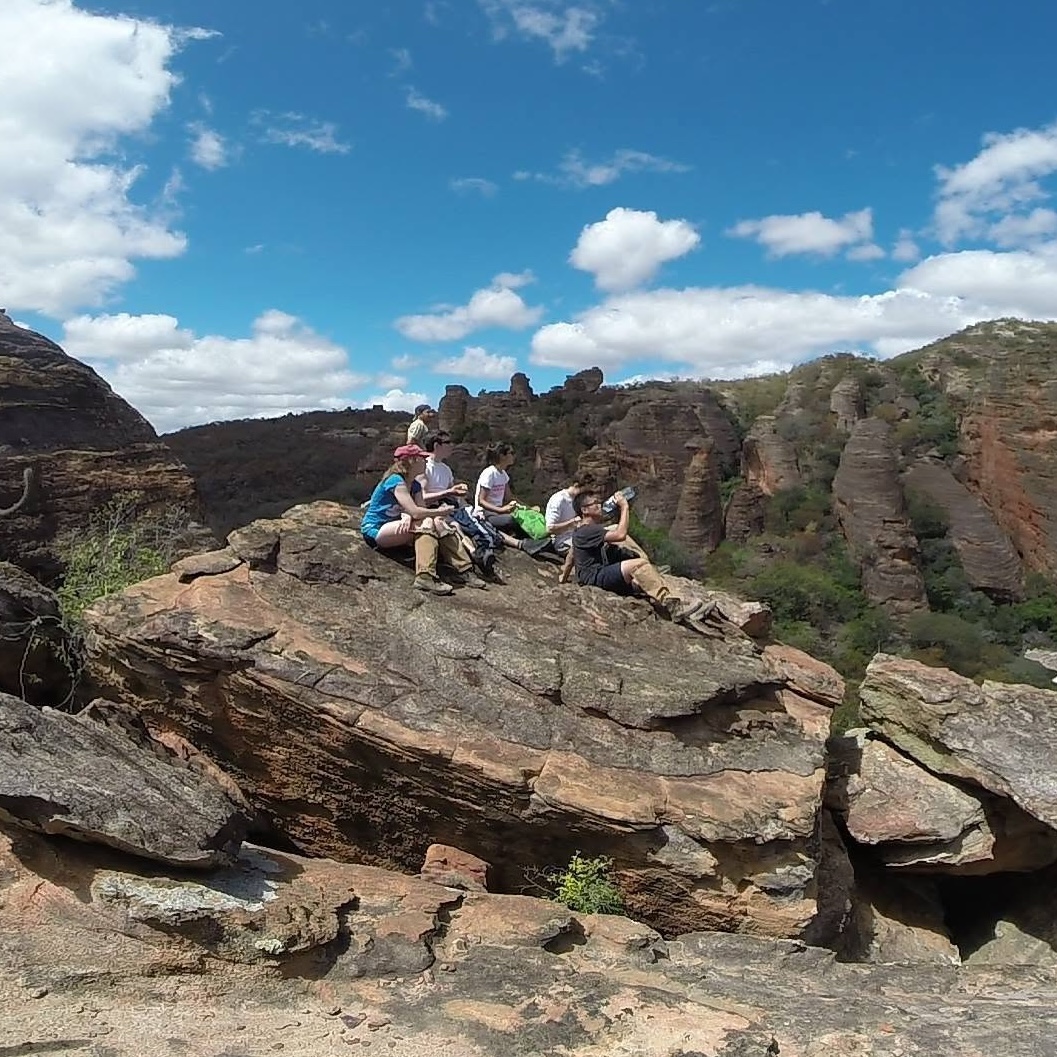
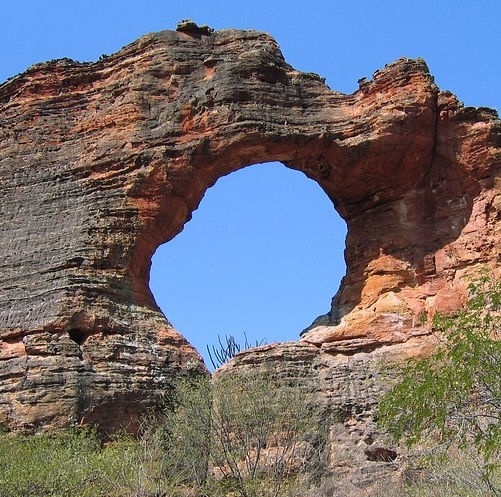
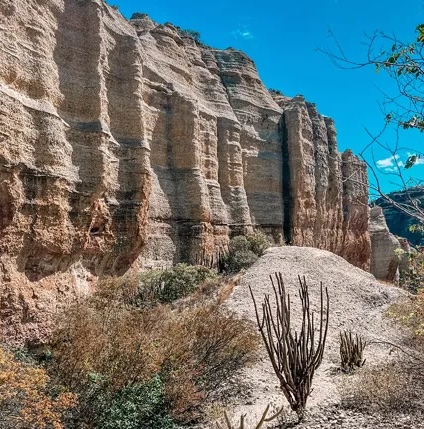
Intracratonic basins are large, shallow depressions on ancient stable continental interiors. They accumulate sediments multiple hundreds of million years, punctuated by periods of widespread erosion. Unlike other sedimentary basins, the processes controlling their formation and evolution are poorly understood. In order to better characterise the geological character of such basins, my undergraduate geological mapping project focused on mapping the edge of the Parnaíba Basin, exposed at the surface in the Serra da Capivara National Park, a UNESCO World Heritage site located in Piauí, Brazil. To further explore the evolution of this unique basin, my Masters dissertation characterised the subsidence history of this basin using well and seismic data.
Publications
2024
Fernandes, V. M., Roberts, G. G., & Richards, F. Testing mantle convection simulations with paleobiology and other stratigraphic observations: examples from Western North America.
G-cubed, 25, e2023GC011381.
doi.org/10.1029/2023GC011381
dynamic topo
2023
Basilone, L., Roberts, G. G., Maia de Almeida, N.,
Fernandes, V. M., Souza, A. C. B., Alves, D. P. V., & Jovane, L. Cretaceous to Recent tectono-sedimentary history and subsidence of the Barreirinhas, Ceará and Potiguar Basins, Brazilian Equatorial Margin.
Basin Research.
doi.org/10.1111/bre.12810dynamic toposediment
2021
Fernandes, V. M., & Roberts, G. Cretaceous to Recent net continental uplift from paleobiological data: insights into sub-plate support.
GSA Bulletin, 133(5-6), 1217–1236.
doi.org/10.1130/B35739.1
dynamic topo
2019
Fernandes, V. M., Roberts, G. G., White, N., & Whittaker, A. Continental-scale landscape evolution: a history of North American topography.
JGR: Earth Surface, 124(11), 2689–2722.
doi.org/10.1029/2018JF004979
dynamic toposediment
← all research