02 · Research
Glacially accelerated incision
current
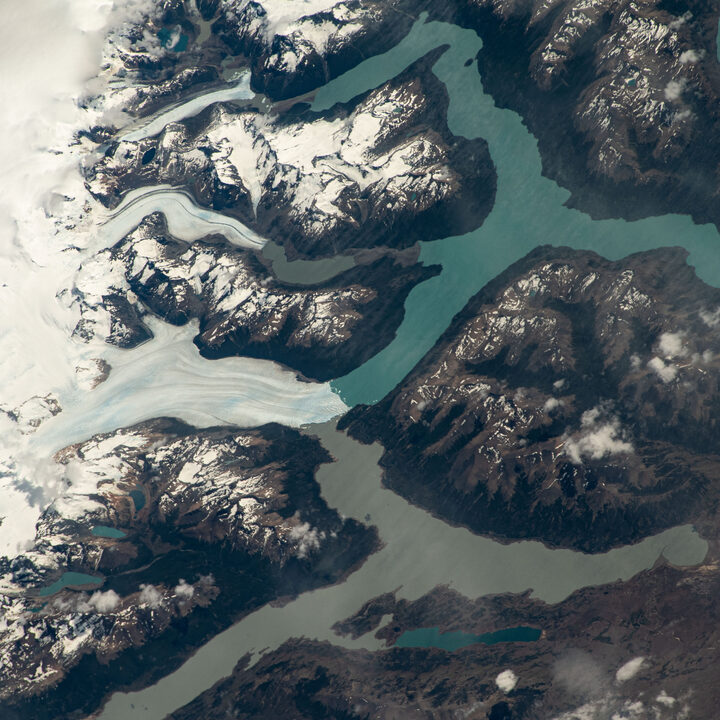
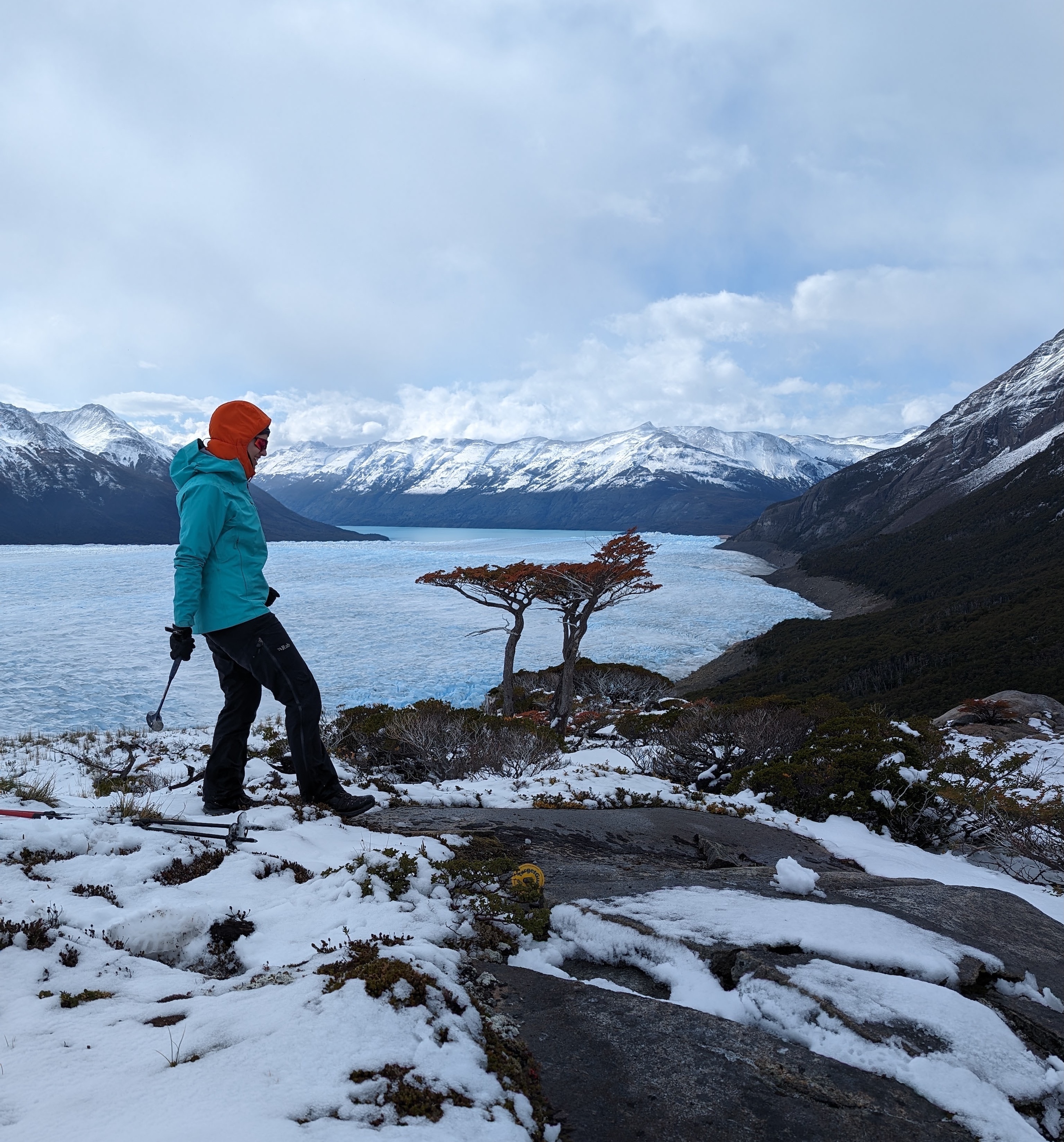
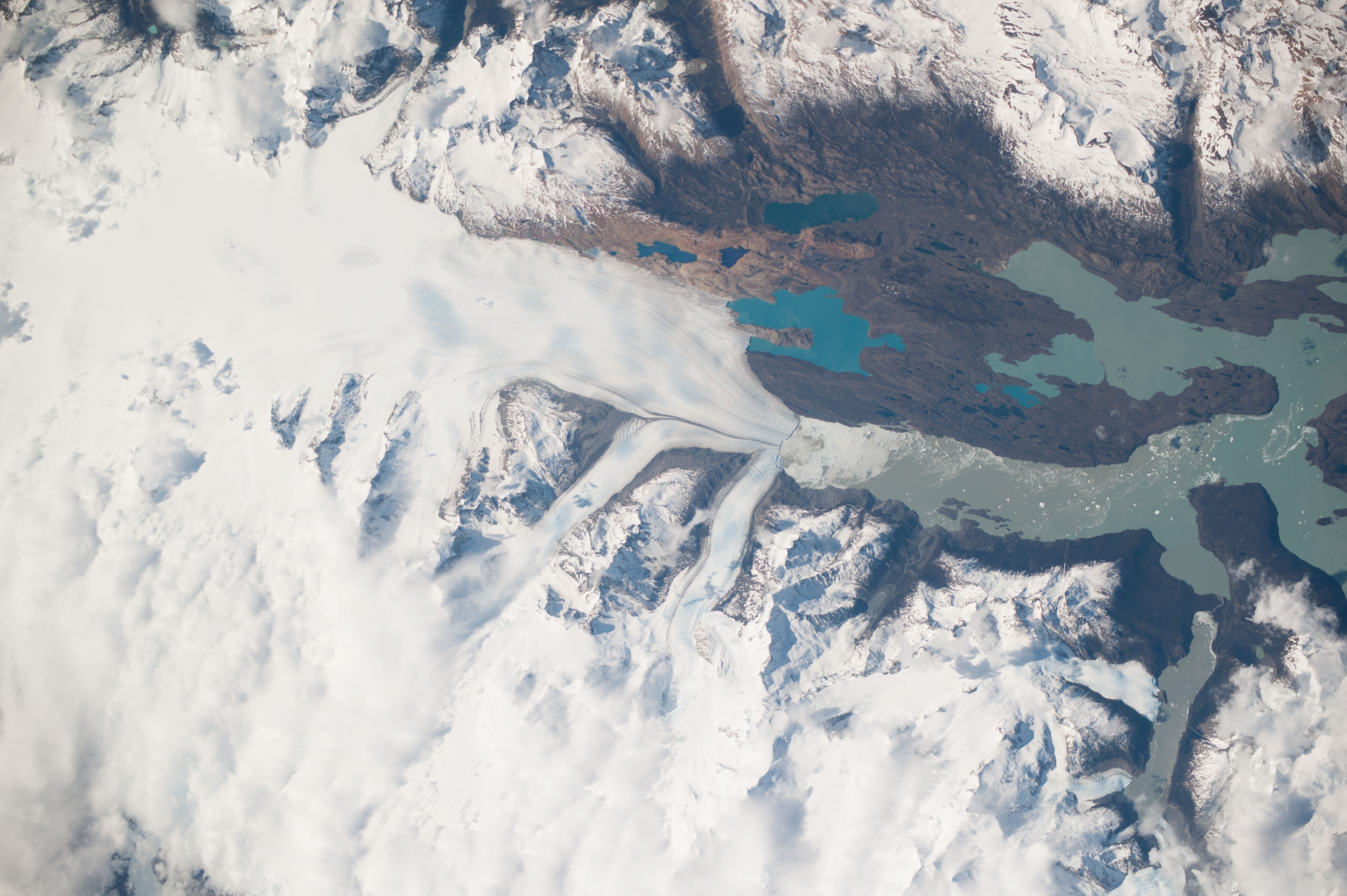
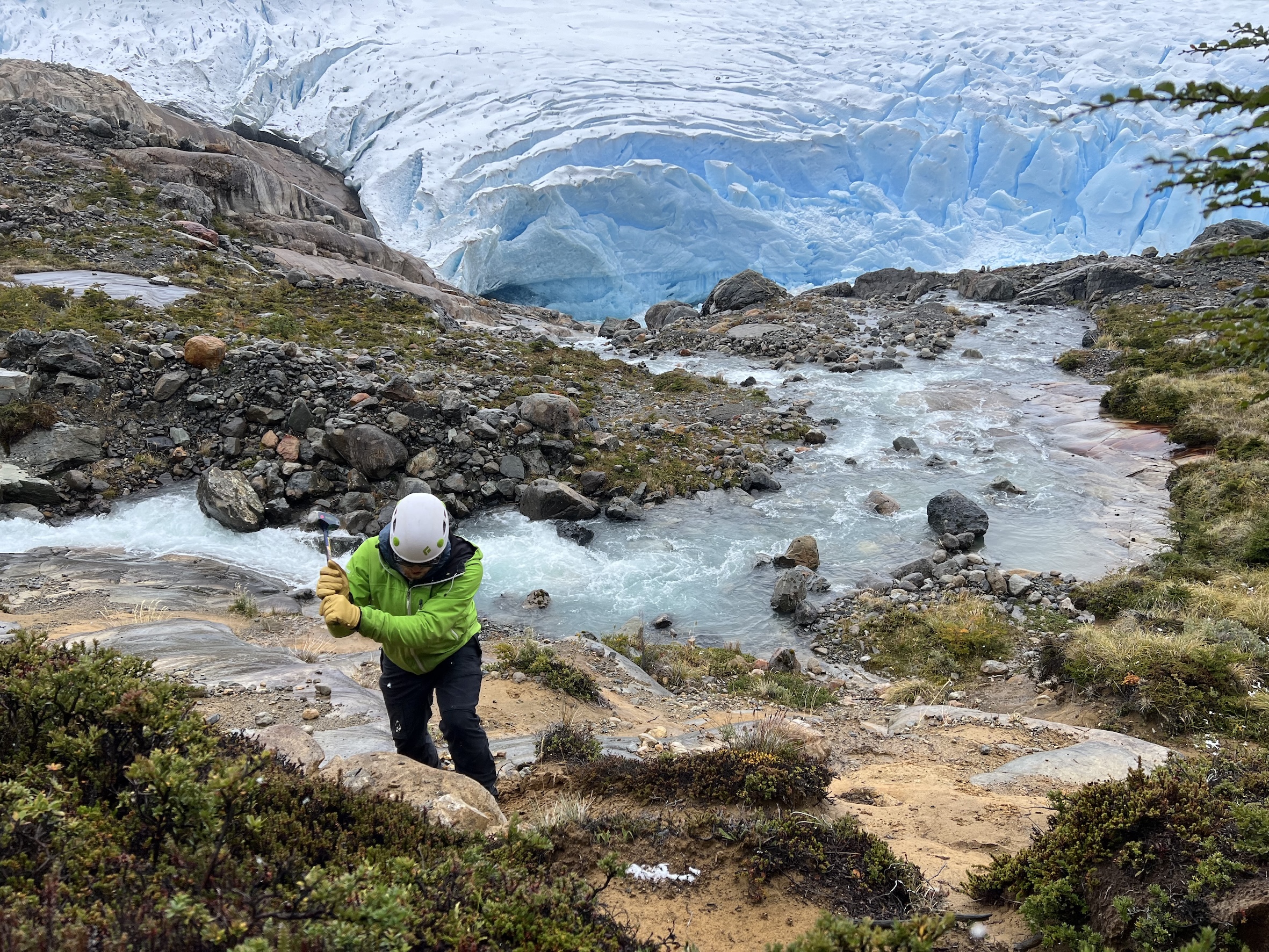
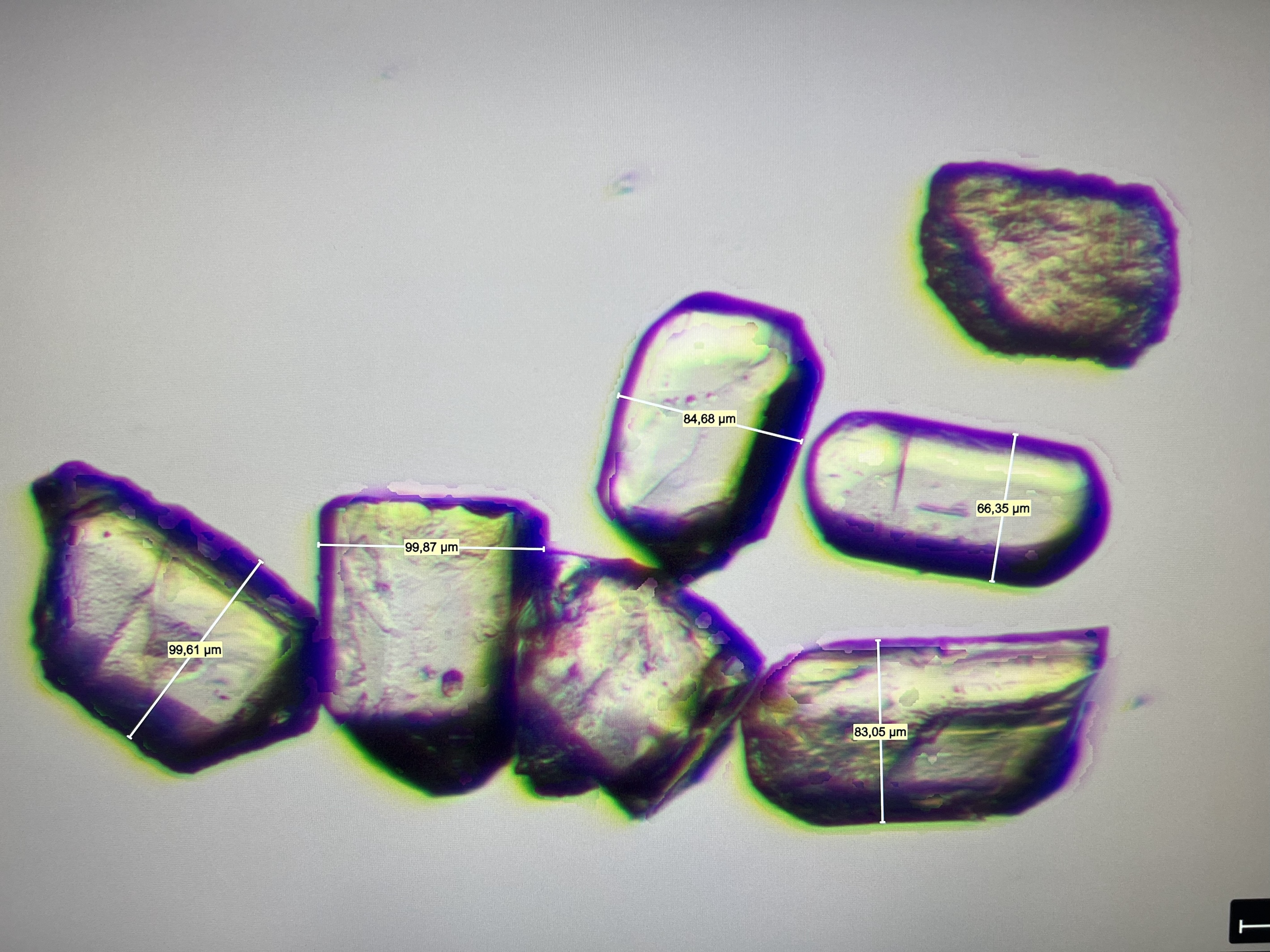
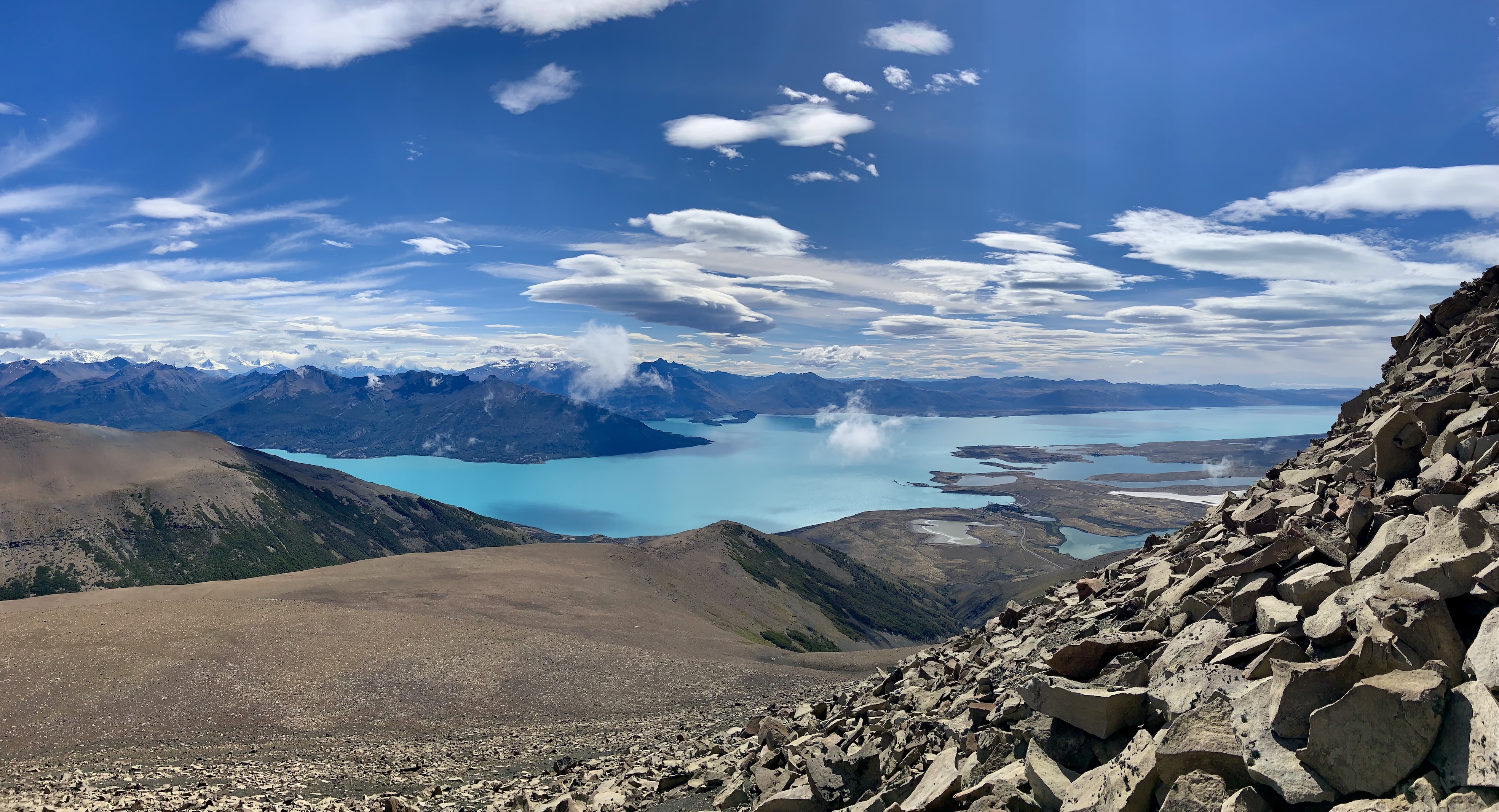
Over the last 1 million years, glacial-interglacial cycles have changed dramatically; from low-intensity 41-kyr cycles to 100-kyr, intense climate oscillations, known as the Mid-Pleistocene Transition (MPT). A fundamental question that arrises is whether this fundamental shift in the climate system has generated a measurable landscape response. If glaciations become longer-lived and more intense, do we observe a change in the rate at which they erode the rocks on which they sit? In this project, I am to answer this question by combining Apatite (U-Th)/He thermochronology with thermal-kinematic models I am to adress this question using UNESCO World Heritage-listed Los Glaciares National Park, in Patagonia, Argentina.
Publications
2026
Fernandes, V. M., Ruby, A., McNab, F., Wittmann, H., Wickert, A. D., Grimm, L., & Schildgen, T. Mantle-driven, climatically modulated landscape evolution in Southern Patagonia.
Geology, 54(2), 117–122.
doi.org/10.1130/G53764.1
terracesdynamic topo
2026
Ruby, A., McNab, F., Schildgen, T., Wickert, A. S., &
Fernandes, V. M. How sediment supply, sea-level and glacial isostatic oscillations affect river long-profile evolution and terrace formation.
AGU Advances, 7.
doi.org/10.1029/2025AV002035terracessedimentstudent-ledaccepted
2025
Grimm, L., McNab, F., Fernandes, V. M., & Schildgen, T. Morphological dating of fluvial terrace risers across spatial and temporal scales. JGR: Earth Surface.
terracesstudent-ledsubmitted
2019
Stucky de Quay, G., Roberts, G. G., Rood, D. H., &
Fernandes, V. M. Holocene uplift and rapid fluvial erosion of Iceland: a record of post-glacial landscape evolution.
Earth and Planetary Science Letters, 505, 118–130.
doi.org/10.1016/j.epsl.2018.10.026terraces
← all research