02 · Research
Terraces as climate archives
currentRivers represent a powerful but underutilised terrestrial archive of Quaternary climate variability. Glacial-interglacial oscillations of sediment and water supply can generate stepped landforms along a river valley, known as terraces. The height, spacing and age of these terrace steps encode the rhythm and amplitude of past climate. Interpreting river terraces as climate archives requires robust chronologies and a mechanistic understanding of river response. To acheive this, I combine cosmogenic nuclide dating with numerical modelling of geomorphic processes to build new landscape chronologies and quantitatively constrain the necessary climate boundary conditions for landscape change.
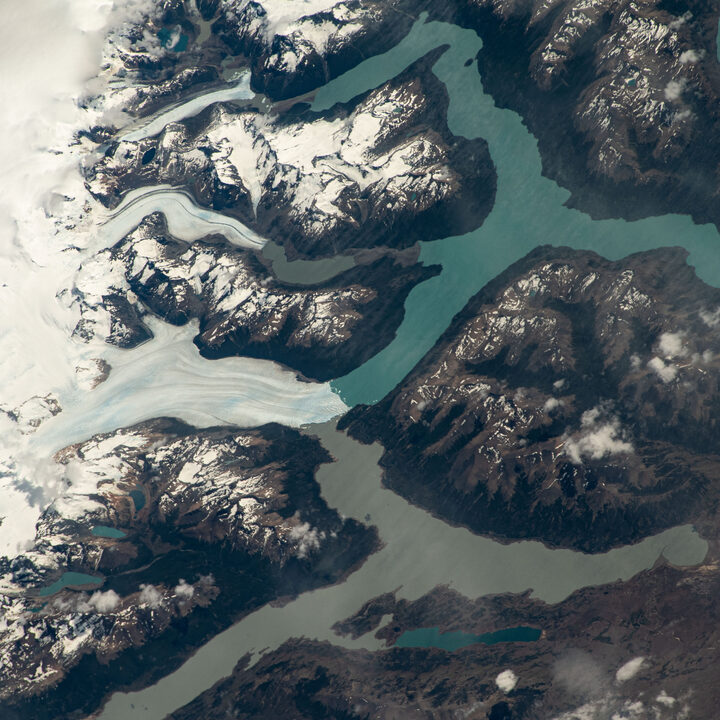
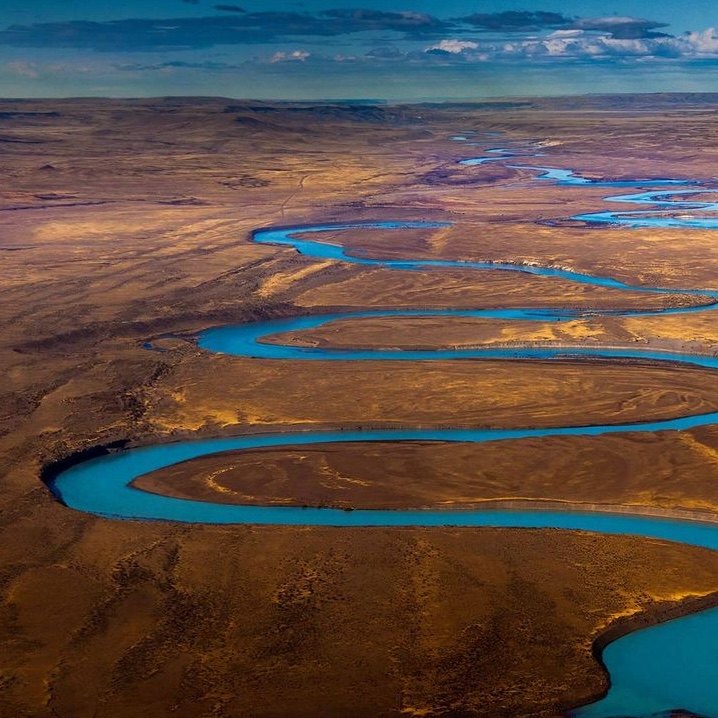
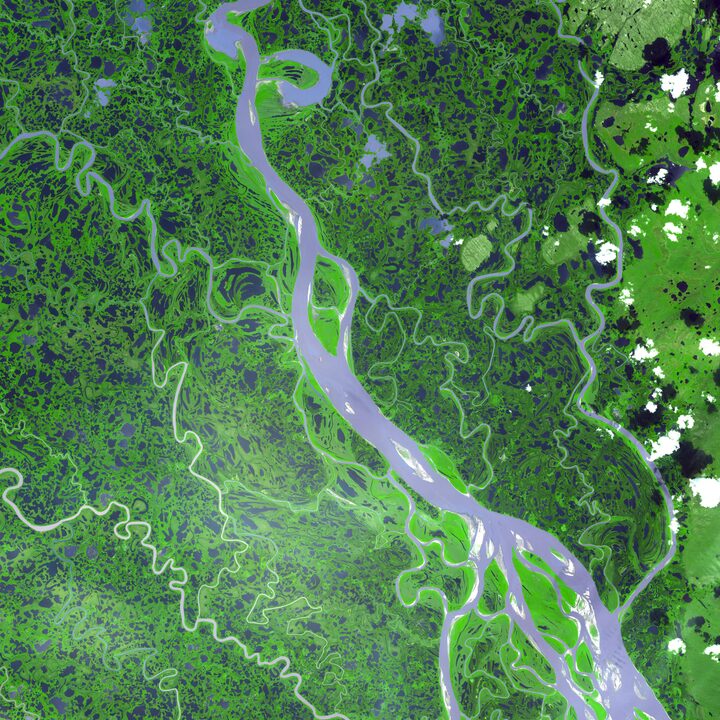
This research framework is build around key locations around the world where an exceptional river terrace exists in combination with a known record glaciation: Patagonia, Argentina and Tasmania, Australia.
Patagonia
The Río Shehuén and Río Santa Cruz form the only river system that carries meltwater from the Southern Patagonian Icefield to the Atlantic Ocean. Running west to east across the Patagonian steppe at roughly 50°S, the river valley hosts a remarkable flight of gravel terraces, preserved over 250 km. In its headwaters, the waxing and waning of ice drove cycles of erosion and deposition in sync with global glacial–interglacial rhythms.
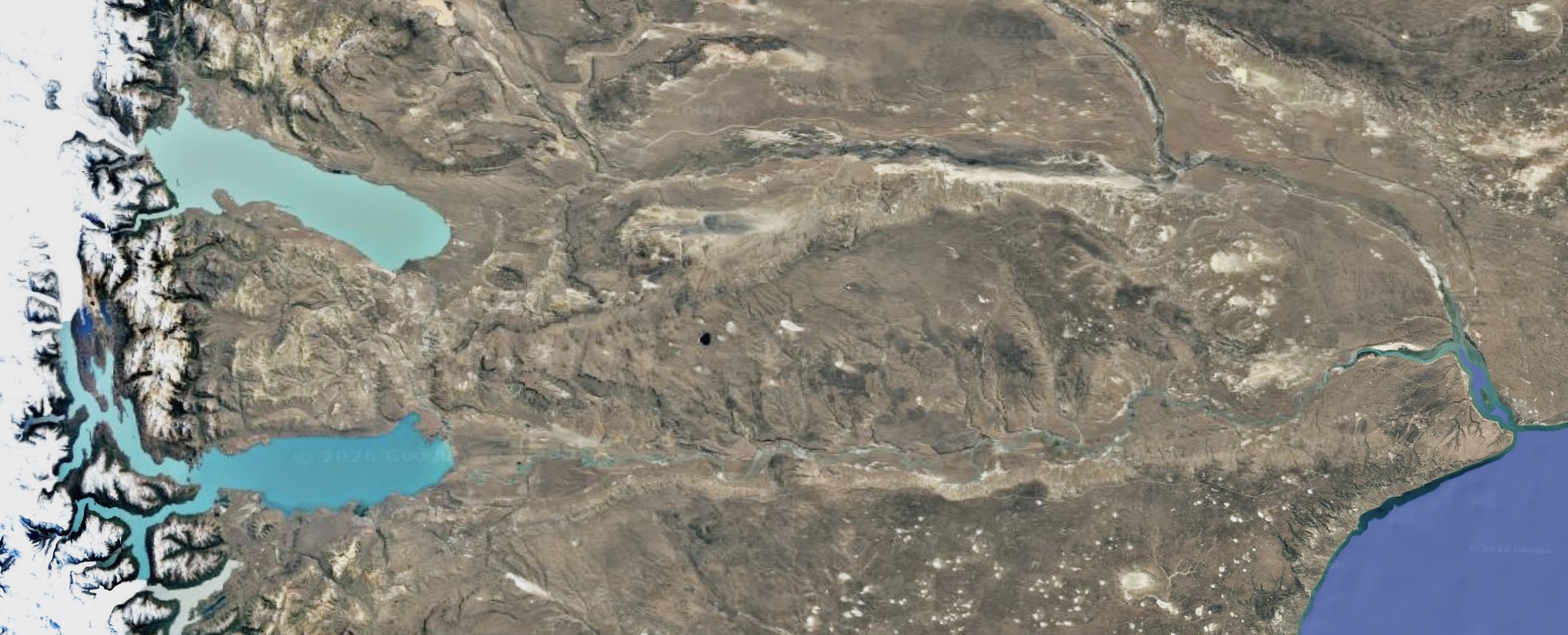
Using cosmogenic ¹⁰Be dating, we found the terraces range in age from about 33 ka to 1.5 Ma, with each terrace age lining up closely with the known chronology of Patagonian glaciations. The terrace chronology revealed a clear shift in rhythm: the oldest terraces formed in quick succession around 990–1030 ka, but younger terraces fall into a steadier ~100,000-year beat — the same change in rhythm observed in the global climate over the last 1 million years (known as the Mid-Pleistocene Transition). The landscape re-tuned itself to a new climatic tempo, most plausibly through changes in the balance between sediment supply and water discharge delivered by the glaciers.
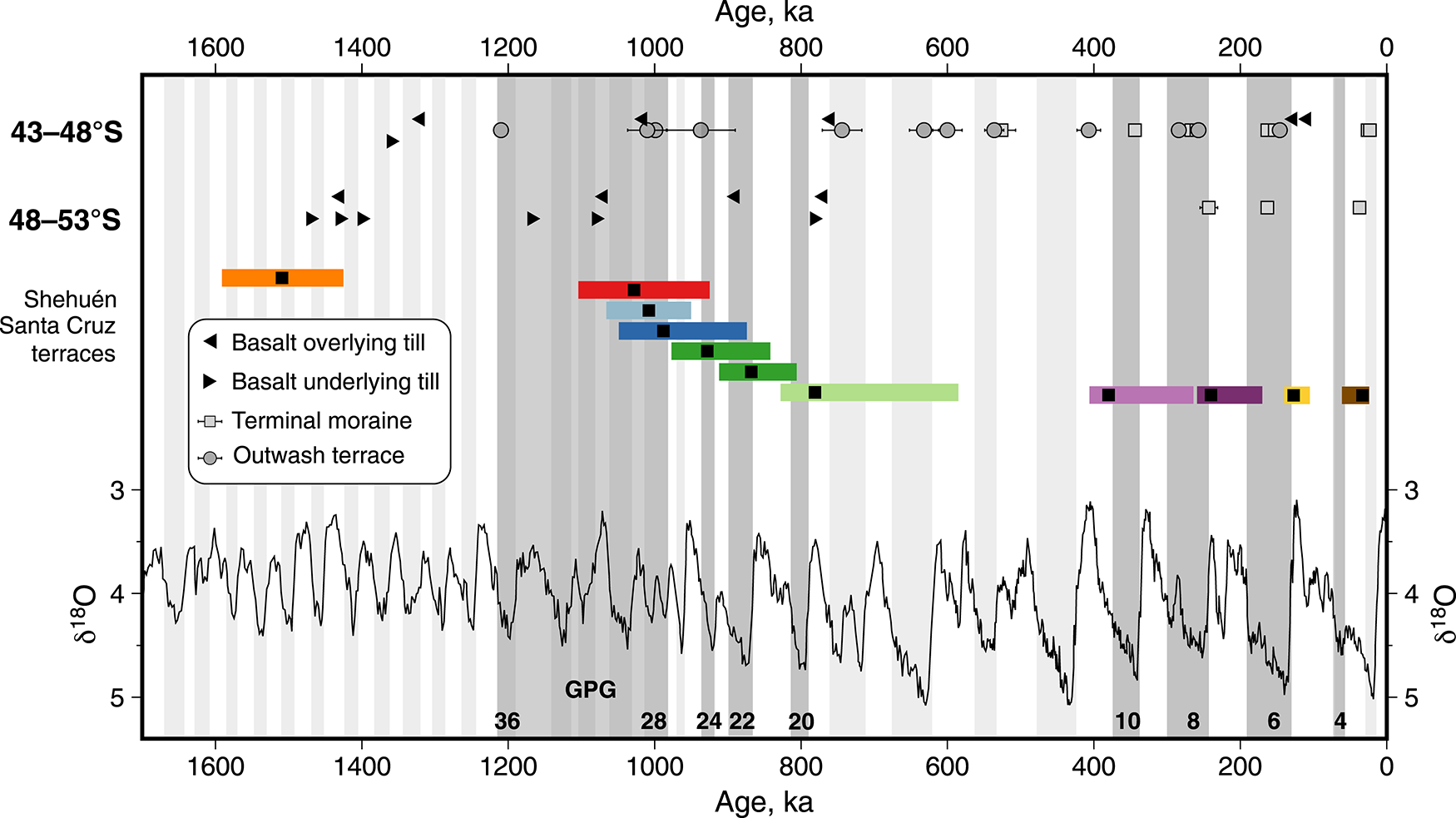
Terrace ages tell us something about the timing of terrace incision, and their relationship to climate. But can we use the geometry of river terraces to extract quantitative information about the climate regimes that formed them?
The terrace long-profile
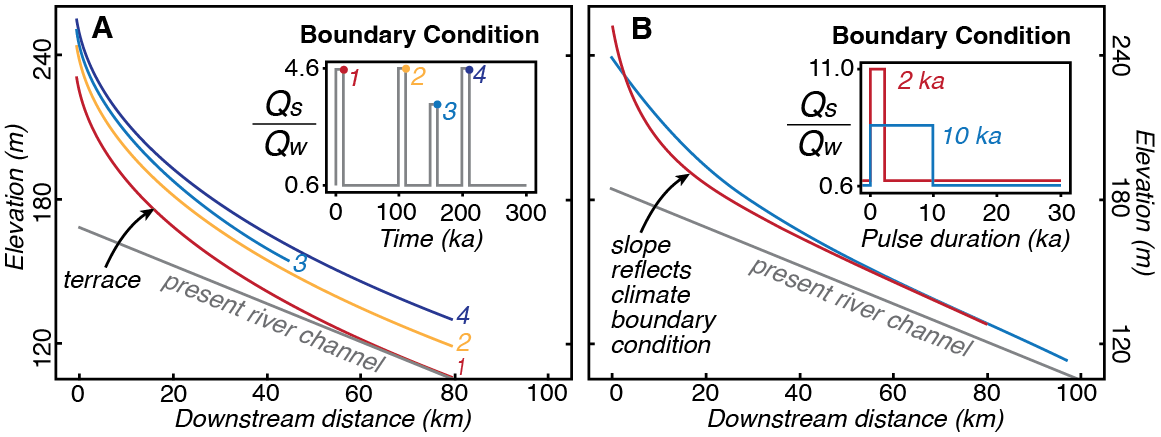
Working with Andreas Ruby (PhD student) and colleagues, we applied a physically-based model of alluvial river evolution to the Río Santa Cruz, testing how sediment supply, water discharge, sea-level change, and the flexing of the land under ice (glacial isostatic adjustment) each leave their own fingerprint on terrace geometry. The models show that individual drivers, and their combinations, produce distinct and recognisable terrace patterns — turning the qualitative tradition of terrace interpretation into something quantitative and testable.
The terrace cross section
Cosmogenic dating is slow, costly, and requires physically reaching every surface, we developed a complementary approach to dating terraces from topography alone: morphological dating. Led by Lennart Grimm (student), this method reads the gradual smoothing of the terrace step, or riser, between successive terraces: hillslope processes smooth the risers over time, so their cross-sectional shape carries information about their age. It offers a scalable, low-cost way to extend terrace chronologies across whole landscapes.
Taken together, these three studies turned the Shehuén–Santa Cruz terraces into one of the best records of a landscape responding simultaneously to climate cycles and mantle convection. This project was funded by the ERC Gyroscope Grant.
A natural replicate?
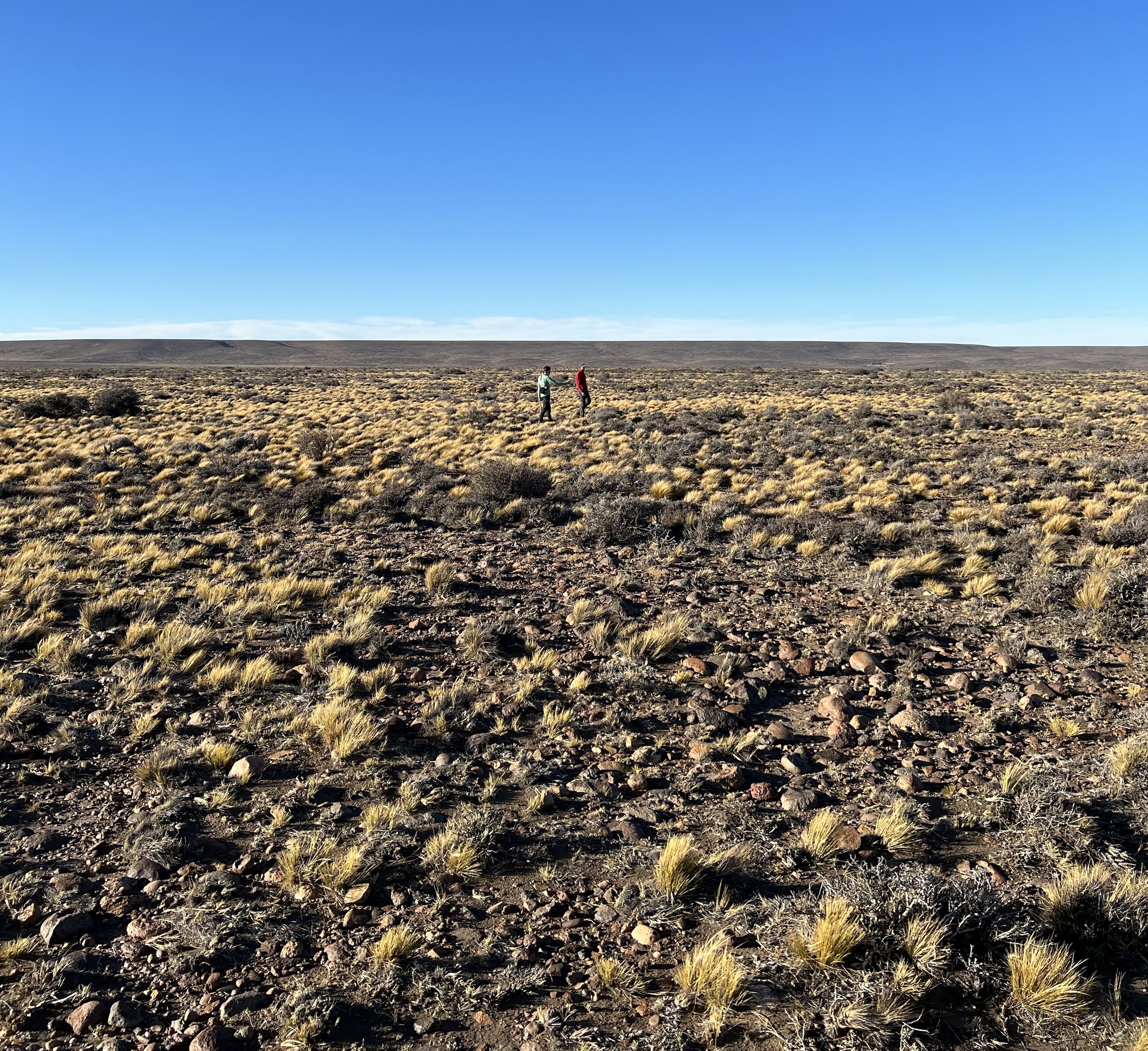
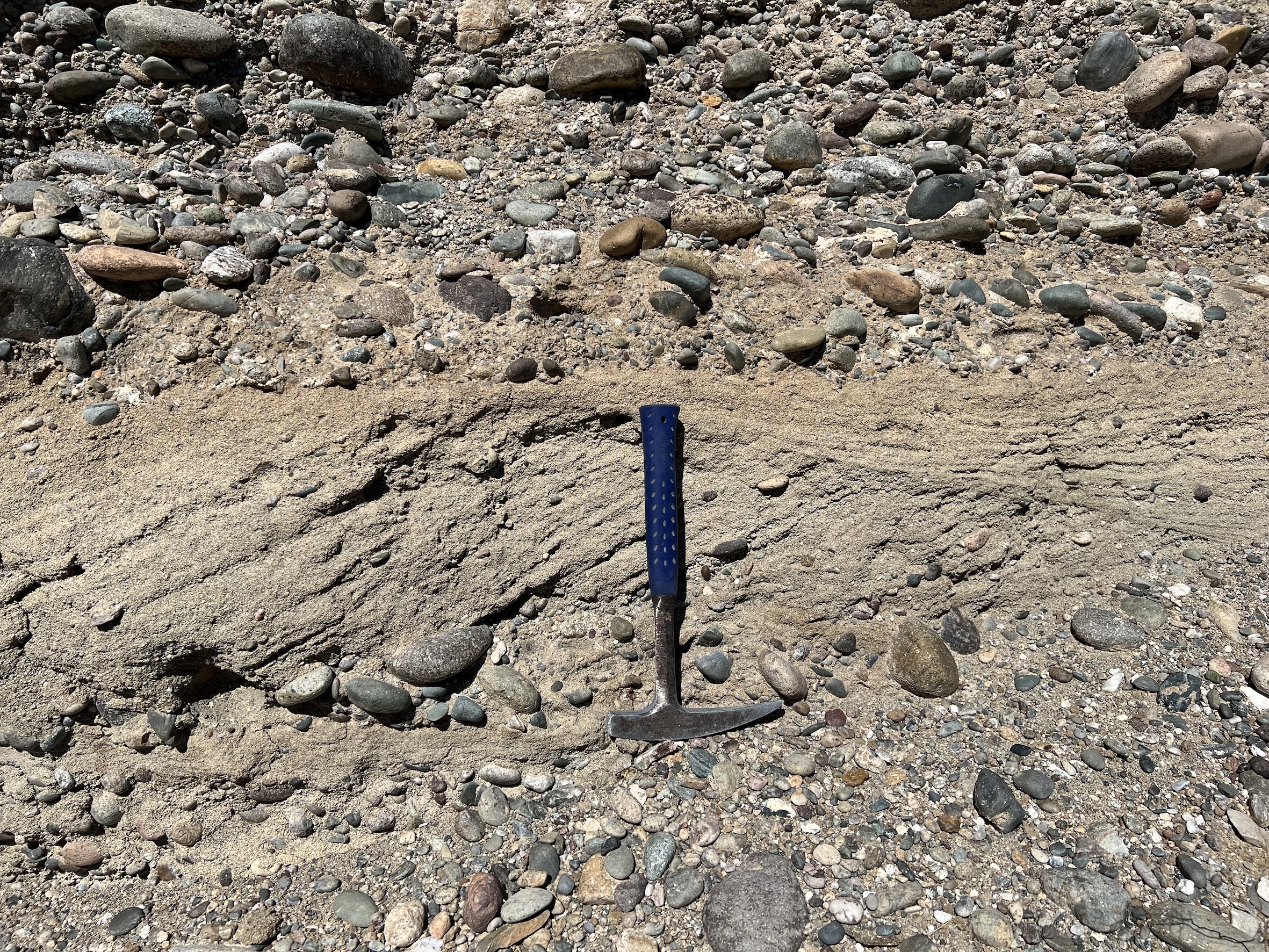
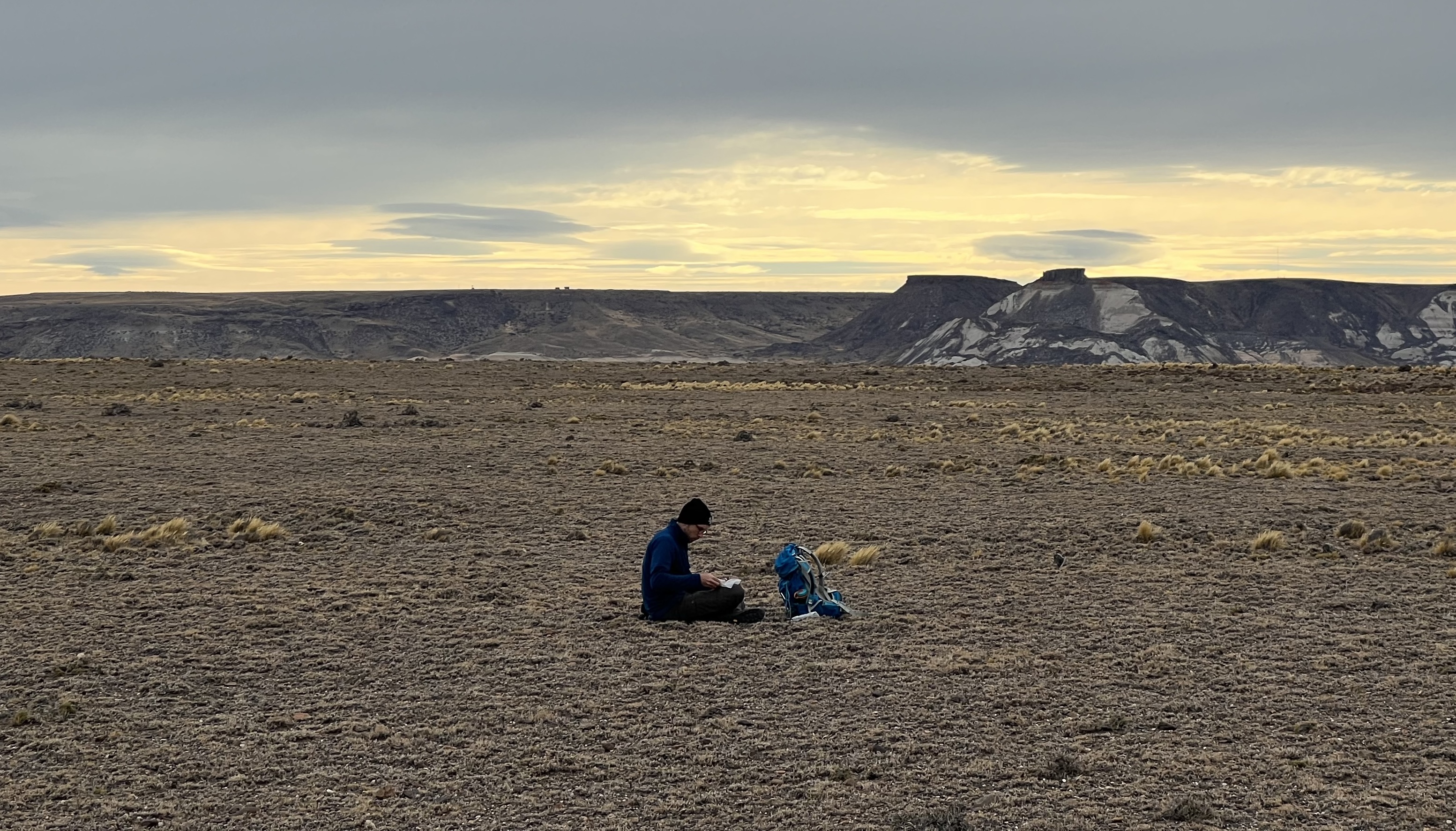
To the north of the Río Santa Cruz, the Río Deseado (46°S) can be thought of as a "geomorphic twin" – another river valley connecting the Northern Patagonian Icefield to the Atlantic ocean. If these two river systems experienced the same boundary condition, their terrace ages and morphologies should be identical. Yet, the observed terrace geomoetry suggests a different story. By producing a new cosmogenic ¹⁰Be-derived terrace chronology combined with numerical modelling of terrace formation, I am working together with Dr. Jonathan Tobal (CONICET) to understand how local differences in boundary conditions affect terrace formation and preservation.
Around the world.
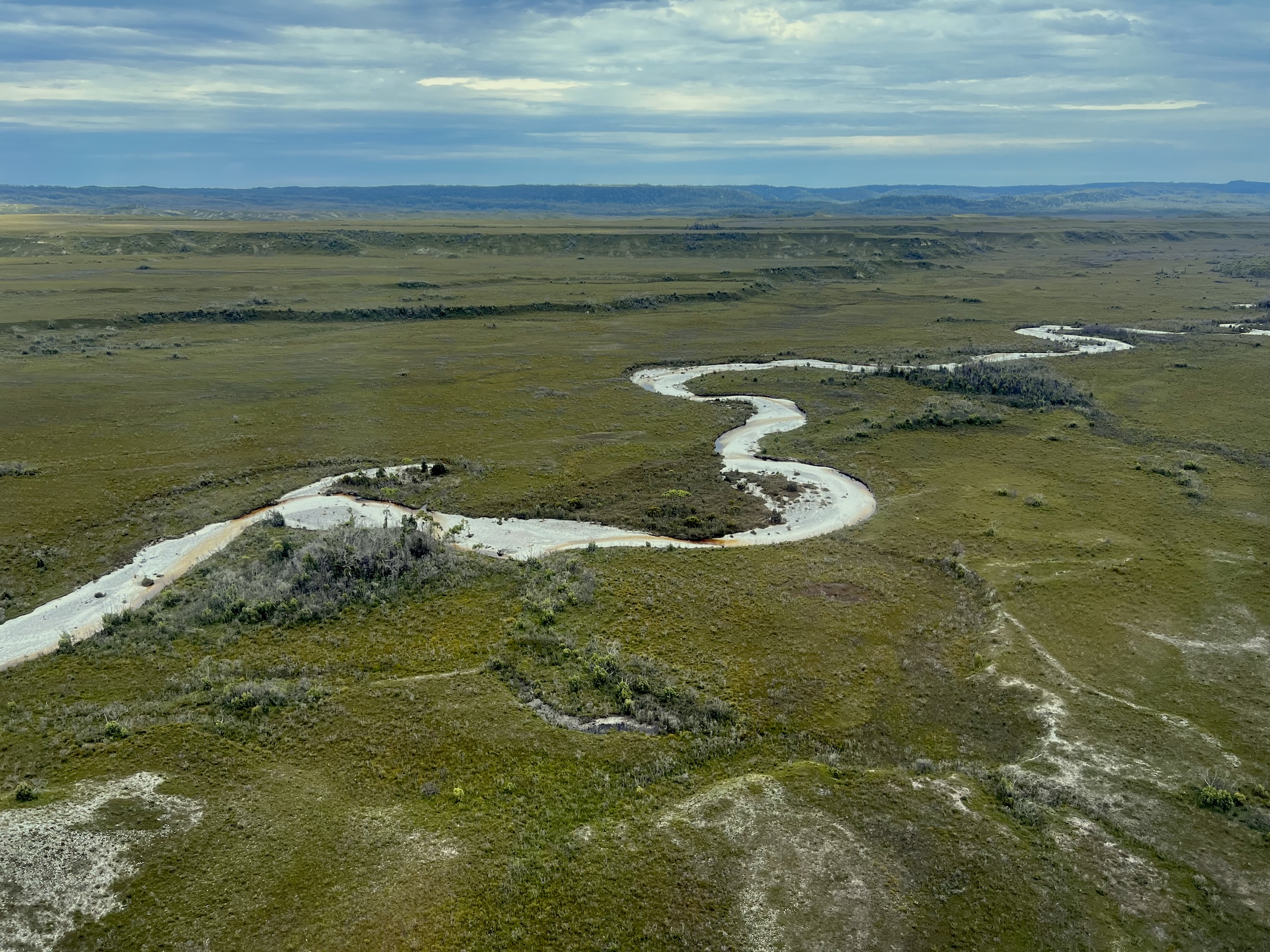
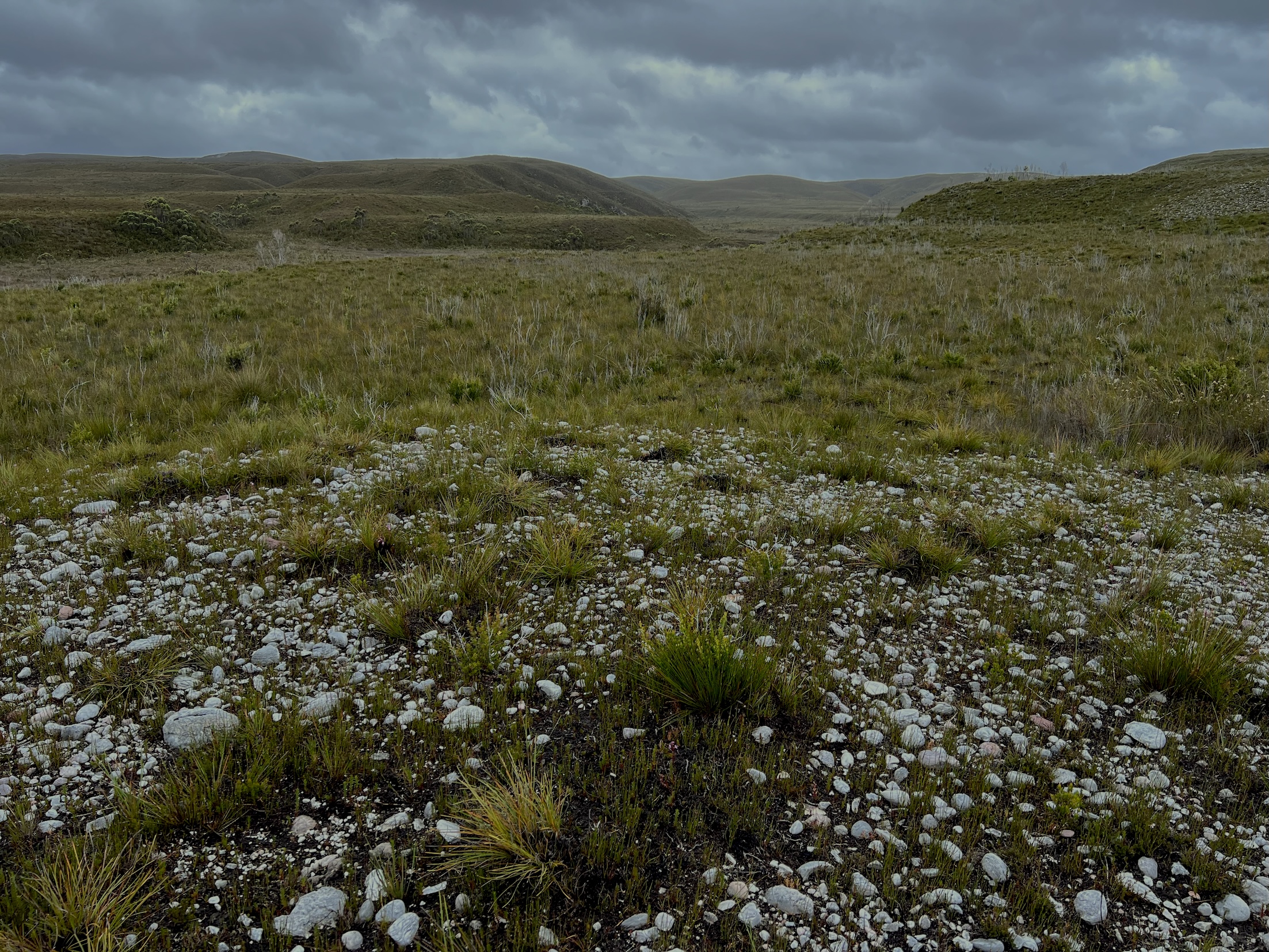
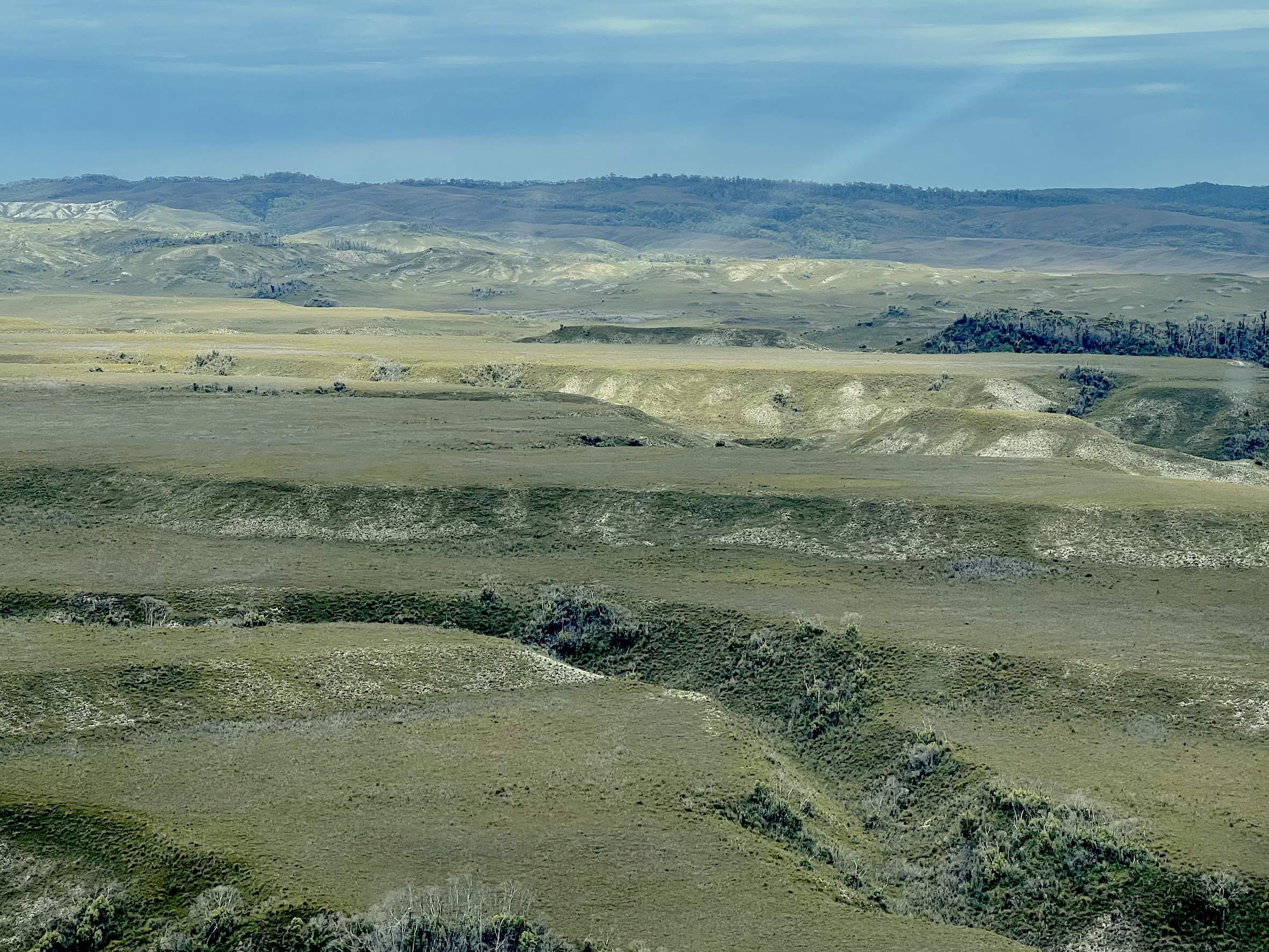
If climate variability on the timescales of glacial-interglacial cycles control the rhythm of river terrace formation, therefore any terrace record around the world that is old enough to span multiple cycles should be recording a 100-kyr periodicity. Tasmania, much like Patagonia, is one of only three regions in the Southern Hemisphere glaciated at mid-latitudes, and it sits squarely in the path of the Southern Westerly Winds, making its rivers unusually sensitive recorders of coupled ocean–atmosphere change. Within the Tasmanian Wilderness World Heritage Area (43°S), the Sorell–Spero terrace staircase is exceptionally preserved and virtually unstudied, with preliminary evidence suggesting this geomorphic record could be as old as 1 Ma. As part of an ANSTO funded project, I am producing the first chronology for this landscape using cosmogenic ¹⁰Be dating. The aim of this project is to combine cosmogenic nuclide dating with numerical modelling to produce Australia's first continuous, million-year land-based record of glacial climate cycles.
Publications